
How to Maintain Your Heat Pump for Year-Round Efficiency
Heat pumps have become a smart choice for many Seattle homeowners. They offer both heating and cooling, use less energy than many traditional systems, and fit well with our mild climate. But like any major home system, they need regular care to keep running at their best.
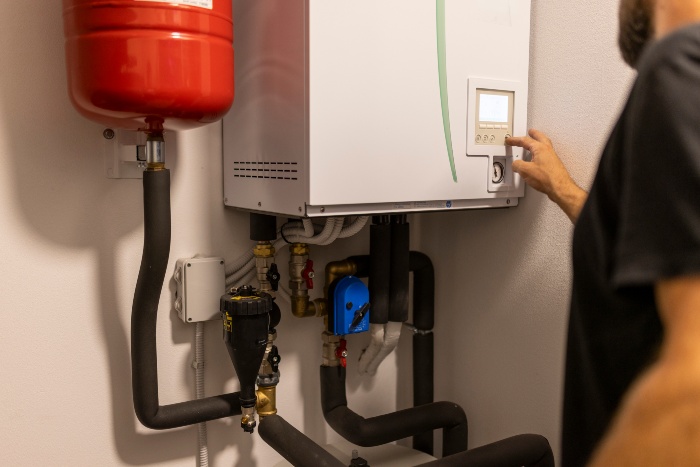
Heat Pumps: How Do They Work?
Unlike a furnace, a heat pump doesn’t create heat. It moves it. In winter, it pulls heat from the cold outdoor air and transfers it inside. In summer, it reverses the process, removing heat from your home to keep it cool.
This efficient heat transfer is made possible by several key components working together:
- Refrigerant: A fluid that absorbs and releases heat as it circulates.
- Coils (Indoor & Outdoor): These work in pairs to absorb and release heat.
- Compressor: Pressurizes the refrigerant to move heat efficiently.
- Air Handler/Ducts: Distributes the conditioned air throughout your home.
Why Heat Pumps Are a Great Choice for Seattle Homeowners
Seattle’s climate is a strong match for heat pump performance. Our winters are cool but not extreme, and our summers are usually mild with some warmer stretches. Heat pumps tend to work especially well in places where temperatures stay moderate for much of the year, handling mild winters efficiently while also providing cooling for warmer days.
For Seattle homeowners, that means a heat pump can often deliver reliable comfort without the higher energy use of older heating and cooling systems. They are a great fit because they can reduce energy consumption and support cleaner home energy use in a single unit.
Benefits of Heat Pumps
A heat pump offers more than basic comfort. With the right system and regular heat pump maintenance, homeowners can enjoy several long-term benefits.
Better Energy Efficiency
Heat pumps can deliver more heating energy than the electrical energy they consume. In simple terms, they can move heat very efficiently, which may help reduce monthly utility bills.
Heating and Cooling in One System
Instead of managing one system for heat and another for cooling, you get both functions from one piece of equipment. That can simplify maintenance and free up space.
Improved Indoor Comfort
Heat pumps often provide steady, even heating rather than the intense on-and-off cycles some older systems produce. This can make your home feel more comfortable throughout the day.
Cleaner Operation
Because there is no on-site combustion, heat pumps avoid some of the concerns linked to fuel-burning appliances, such as combustion byproducts in the home.
Quiet Performance
Many newer heat pump models are designed to run quietly, both indoors and outdoors. That can make a real difference in day-to-day comfort.
Potential Long-Term Savings
While installation costs can be higher than some traditional systems, the combination of energy savings, lower cooling costs, and all-in-one performance may make a heat pump a strong long-term investment.
What Is the Most Efficient Type of Heat Pump for Seattle’s Climate?
For many Seattle homes, a cold-climate air-source heat pump is the most efficient choice. These modern, inverter-driven systems perform well in cooler temperatures and use less energy by adjusting their output instead of simply switching on and off.
- Ducted air-source heat pumps are ideal for homes with existing ductwork.
- Ductless mini-split heat pumps are highly efficient for homes without ducts or for zoning specific rooms.
- Ground-source (geothermal) heat pumps are very efficient but have a much higher upfront cost and installation complexity.
Aspects to Consider When Choosing a New Heat Pump for Your Home
If you are shopping for a new system, it helps to look beyond price alone. The best heat pump for one home may not be the best fit for another. Things to consider include:
- Home Size and Layout
- Ductwork Condition
- Insulation and Air Sealing
- Efficiency Ratings
- Noise Levels
- Smart Thermostat Compatibility
- Installation Quality
Seasonal Heat Pump Maintenance Tips
If you want to know how to maintain a heat pump system, the answer is simple: stay consistent. Routine care helps improve performance, reduce breakdowns, and extend the life of your equipment.
Here are some simple maintenance tips to follow throughout the year:
- Clean and clear: Regularly clean or replace your air filters. Keep the outdoor unit clear of leaves, grass, snow, and other debris, ensuring there’s at least two feet of open space around it.
- Test modes: Before the start of a new season, test the cooling or heating mode to make sure it’s working properly.
- Monitor performance: Pay attention to unusual noises, weak airflow, or sudden increases in your energy bills, as these can signal a problem.
- Ensure proper airflow: Inside your home, make sure furniture or curtains aren’t blocking the supply and return vents.
When to Consider Heat Pump Repair or Replacement
Even with good care, no system lasts forever. Knowing when to repair versus replace can save you time, stress, and money.
A repair might be the best option if your system has a specific issue but is otherwise in good shape. Common signs you need a repair include:
- Strange noises (rattling, grinding)
- Weak airflow or uneven temperatures
- Frequent starting and stopping (short cycling)
- Unexplained increases in utility bills
- Trouble switching between heating and cooling modes
However, replacement may be a better investment if your heat pump is over 10-15 years old, requires frequent or expensive repairs, or has become noticeably less efficient. An upgrade can also be a smart move if your comfort needs have changed or your current system is improperly sized. Newer models offer improved efficiency, quieter operation, and better cold-weather performance, leading to lower bills and more reliable comfort for Seattle homeowners.
Contact Olson Energy Service
If you want help with heat pump maintenance service, repairs, or choosing a new system for your home, Olson Energy Service can help you make a confident decision and keep your comfort on track all year. Contact our team today!
When Seattle temperatures drop, you count on your heating system to keep your home safe and comfortable. But like any hard-working equipment,…