Common Heating Problems and How to Prevent Them
When Seattle temperatures drop, you count on your heating system to keep your home safe and comfortable. But like any hard-working equipment, furnaces and heat pumps can develop issues over time. The good news is that many common heating problems can be avoided with the right care. As a family-owned and operated company, Olson Energy Service believes homeowners should have clear, honest information they can trust.
Why Heating Systems Develop Problems
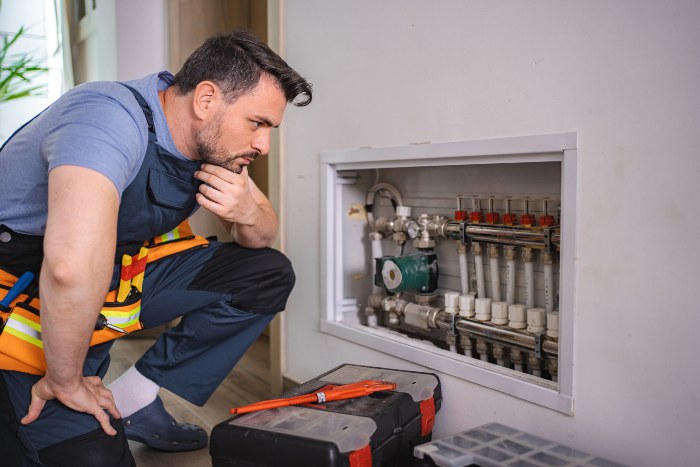
Most heating issues don’t happen overnight. They build slowly as parts wear down, airflow is blocked, or upkeep is missed. A major cause is a lack of maintenance. Dirty filters and clogged burners force your system to work harder, which can strain it and lead to breakdowns.
Age is another factor. Even a well-maintained system loses efficiency as it gets older. Parts loosen, motors wear out, and electrical connections can fail. Seattle’s damp climate can also play a role by affecting certain components, especially if the equipment is already aging. Frequent cycling during cold, wet weather can accelerate wear.
Heating trouble often starts with small warning signs like uneven temperatures, strange noises, higher energy bills, or weak airflow. Catching these early can help you avoid bigger, more expensive repairs.
Common Heating Problems Homeowners Face
Dirty or Clogged Air Filters
A clogged filter is one of the simplest and most common issues. When airflow is blocked, your system has to work harder to move warm air through your home. This can reduce comfort, raise utility bills, and put stress on key components.
Uneven Heating
If some rooms feel warm while others stay chilly, you may have airflow issues, duct leaks, thermostat problems, or an aging system. Uneven heating is a common complaint in larger homes and older properties.
Thermostat Problems
Sometimes the issue is not the furnace itself. A thermostat that is miscalibrated, has dead batteries, or is not reading the room correctly can cause short cycling, no heat, or poor temperature control.
Strange Noises
Banging, rattling, squealing, or humming sounds often signal trouble. Loose parts, worn belts, ignition issues, or motor problems can all create unusual noise. These sounds should never be ignored.
Pilot Light or Ignition Issues
Among the most common gas heater problems are pilot light failures and electronic ignition trouble. If the burner does not ignite properly, your system may blow cool air or fail to start at all.
Frequent Cycling
If your heater turns on and off too often, it may be overheating, dealing with restricted airflow, or struggling with thermostat placement. Frequent cycling wastes energy and increases wear.
Rising Energy Bills
A sudden increase in heating costs often points to reduced system efficiency. Dirty components, worn parts, and duct problems can all make your system consume more energy than necessary.
How to Prevent Common Heating Problems
Regular maintenance can save you from costly repairs and keep your home warm. Here are a few simple ways to prevent common heating problems:
- Change your air filter: Check your filter every 1–3 months and replace it when it’s dirty to improve airflow and efficiency.
- Schedule professional maintenance: An annual tune-up allows a technician to clean components and spot wear and tear before it leads to a major breakdown.
- Keep vents clear: Ensure furniture, rugs, and other items aren’t blocking vents so warm air can circulate freely.
- Check your thermostat: Replace batteries annually and ensure the settings are correct. Consider upgrading to a smart thermostat for better efficiency.
- Address warning signs early: Don’t ignore strange noises, odd smells, or uneven heat. Calling for a repair service sooner can prevent bigger, more expensive problems later.
Benefits of Preventing Heating Problems
Preventing heating problems through regular maintenance offers several key benefits. It leads to a more efficient system, which lowers monthly energy bills and provides more even heating. Preventive care can also extend the lifespan of your heating equipment, delaying the high cost of replacement. Furthermore, regular inspections improve safety by identifying potential risks, such as gas flow issues or overheating, early. Finally, it reduces the likelihood of inconvenient and costly emergency repairs during the coldest times of the year.
Preventive Maintenance vs Emergency Repairs
Preventive maintenance is a planned, proactive, and affordable approach to heating system care, where a technician can fix minor issues before they become major problems. In contrast, emergency repairs are unplanned, urgent, and typically more expensive, occurring after a system has already broken down. For most homeowners, regular maintenance is the better long-term strategy, as it reduces the risk of sudden system failure and the stress of unexpected heating loss.
When to Call a Professional Heating Technician
Some basic upkeep tasks, like changing filters and checking thermostat settings, are safe for homeowners. But many heating issues should be handled by a trained professional.
Call a technician if your system stops producing heat, makes loud or unusual noises, cycles constantly, smells strange, or causes a sharp rise in utility bills. You should also call if the pilot light will not stay lit or if you suspect any gas-related issue.
At Olson Energy Service, we know homeowners want honest recommendations and dependable work. As a family-owned and operated company serving the Seattle area, we’re committed to helping you stay warm with trusted heating service and expert care. If your system is showing signs of trouble, now is the time to act before a minor issue becomes a major repair.
Heat pumps have become a smart choice for many Seattle homeowners. They offer both heating and cooling, use less energy than many traditional…